
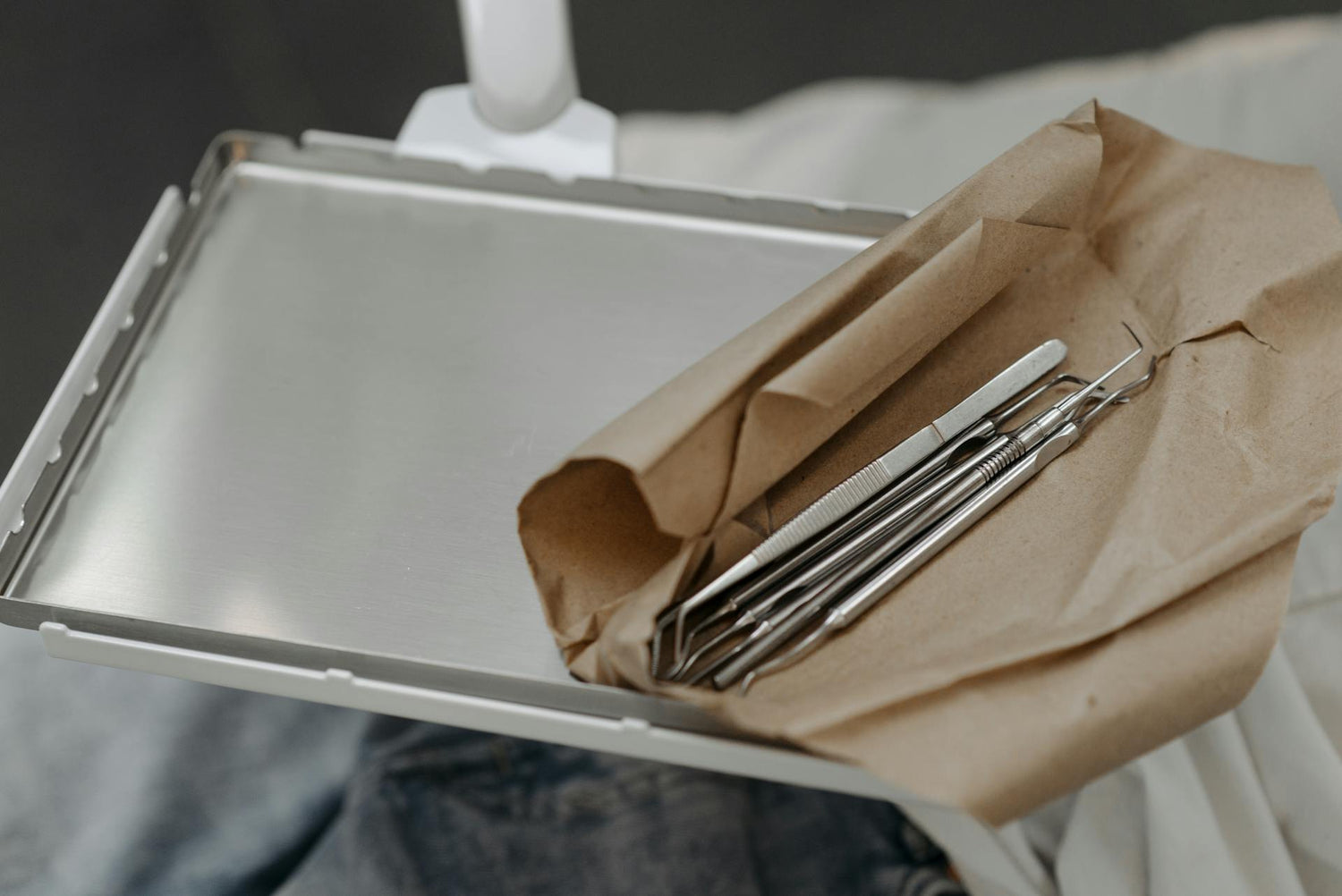
Protecting periodontal hand instruments from hidden damage starts long before a tip snaps or a handle feels “off.” Tiny, invisible cracks in metal can quietly build up through daily use and reprocessing, changing how instruments feel in your hand and how long they last. When your schedule is packed and every appointment relies on tactile feedback, protecting these tools is really about protecting your own efficiency and comfort.
In this article, we will look at what micro-fractures are, where they tend to form, and which handling and reprocessing habits can reduce stress on your instruments. We will also touch on inspection routines, rotation strategies, and how to choose periodontal hand instruments with durability in mind. At ProNorth Medical, we work with clinicians across North America, and we see how much hygienists and periodontal clinicians depend on consistent, reliable hand instruments day after day.
Protecting Precision: Why Micro-Fractures Matter
Micro-fractures are tiny cracks in the metal of your periodontal hand instruments. They are often too small to see without magnification, and they develop gradually from repeated mechanical and thermal stress. Even though they are small, they can change how an instrument behaves long before there is a visible break.
For busy hygienists and periodontal clinicians, these micro-fractures can be linked with:
- Heavy daily schedules with little downtime between patients
- Repeated sterilisation cycles that heat and cool instruments over and over
- Fine periodontal work that depends on delicate tips and a light touch
As these microscopic cracks grow, instruments may feel different in your hand. You might notice a change in tactile sensitivity, a slightly rougher feel on the root surface, or tips that seem to wear faster. Over time, this can shorten instrument lifespan and disrupt clinical flow when a favourite curette or scaler has to be pulled from service unexpectedly. Our role at ProNorth Medical is to support you with dental hand instruments and related equipment that match the way you actually work, and to share practical ways to protect the investment you have already made.
Where Micro-Fractures Begin in Periodontal Instruments
Not every part of a periodontal instrument carries the same risk. Micro-fractures tend to start where stress concentrates the most, such as:
- Thin working ends, especially on fine periodontal tips
- Shanks that bend repeatedly under lateral pressure
- Junctions where the tip meets the handle or where components are joined
Typical chairside demands can load these areas quite heavily. Scaling dense deposits, working in tight interproximal spaces, and repeated sideways pressure all add up over time. Accidental drops, even from tray height, can create small impact points that later develop into cracks.
Thermal cycling in washers and sterilisers also matters. Every heating and cooling cycle can slightly stress the metal, especially if:
- Detergents are too aggressive
- Rinsing is incomplete and residues remain
- Instruments dry with spots or deposits on them
Since micro-fractures are not usually visible during a quick glance, relying only on fast visual checks between patients can give a false sense of security. A more systematic inspection schedule helps catch early signs of wear before there is an obvious failure.
Handling and Chairside Practices That Reduce Stress
From the moment instruments leave the sterilisation area, how they are handled can either protect them or push them closer to failure. Gentle, controlled handling makes a difference:
- Place instruments carefully on trays instead of tossing them down
- Avoid stacking delicate tips directly on top of each other
- Keep fine periodontal instruments separate from bulkier tools that can knock into them
Ergonomic habits are not just about your hands and wrists; they also influence instrument stress. When grasp pressure is balanced and fulcrums are stable, less force is transmitted into the working end. While we are not offering clinical technique advice, we can say that equipment-care choices, such as selecting ergonomically comfortable handles or using a saddle stool, may help reduce over-gripping and unnecessary strain on tips.
It is also common for delicate instruments to be pressed into service for jobs they were not intended to do. Using fine periodontal tips to pry, torque, or leverage can overload them. Assigning specific instruments for tougher tasks and protecting the most refined tips for the work they were designed for helps spread the stress more safely across your tray.
Reprocessing Routines That Help Preserve Metal Integrity
Reprocessing is where micro-fractures can quietly grow if routines are too aggressive. A gentle, stepwise approach can support instrument longevity:
- Pre-rinse promptly to remove blood and debris before it dries
- Use neutral pH or manufacturer-recommended cleaning solutions
- Avoid harsh scouring or abrasive brushes on fine tips
- Follow recommended contact times instead of “extra long” soaks
Loading patterns matter as well. In ultrasonic cleaners and cassettes, periodontal hand instruments should be secured so they are not banging into each other or into sharps and bulkier tools. Handles that rattle together repeatedly can develop small nicks that later act as starting points for cracks.
Sterilisation parameters, such as temperature, exposure time, and drying, should align with both manufacturer and regulatory guidance. Correct packaging that allows steam penetration and drying, followed by proper storage, can support metal performance over time. Within a practice, documented standard operating procedures and simple checklists help keep everyone on the same page so reprocessing staff handle delicate instruments consistently.
Inspection, Rotation, and Replacement Planning
Regular inspection is one of the most effective ways to catch early signs of trouble. Under good lighting and magnification, teams can look for:
- Nicks or rough spots on cutting edges
- Bends or subtle misalignment in shanks
- Corrosion, staining, or pitting on metal surfaces
- Noticeable tip thinning compared with new instruments
Rotating your instrument sets also protects them. Using multiple identical sets instead of relying on one favourite set spreads both mechanical and thermal stress over more instruments. Everything gets used and reprocessed, but no single curette is in every load.
Planning ahead for replacement avoids last-minute scrambles when a critical instrument fails. A simple inventory list that compares current instruments with original specifications can highlight where performance may be drifting. Partnering with a consistent supplier helps make it easier to maintain matching sets of periodontal and other dental hand instruments, as well as related tools like dental and medical sutures or staplers, so operatories feel familiar and predictable.
Strengthening Your Instrument Care Culture
Finally, the way a practice cares for instruments is really a team habit, not a single task. When assistants, hygienists, dentists, and sterilisation staff all understand how delicate periodontal tips can be, small daily choices start to shift. Short in-office training sessions on handling, loading cassettes, and choosing the right instrument for the right job can quickly raise awareness.
Taking time to review current inventory and care routines, then comparing them with manufacturer guidance, can reveal easy wins. As a Canadian-based supplier working with dental professionals across North America, we see that when a team treats instrument preservation as part of professional pride, periodontal dental hand instruments tend to stay sharper, feel more consistent, and serve clinicians well for longer, supporting both reliable performance and the long-term value of the instruments themselves.
Upgrade Your Clinical Precision With Reliable Instruments Today
Equip your practice with high quality dental hand instruments that support accurate, consistent results for every patient. At ProNorth Medical, we carefully source and test our products so you can focus on delivering excellent care with confidence. Explore our selection to refresh your current kits or standardize your instrument sets across your team. If you have questions about product selection or compatibility, our team is ready to help you choose the right options for your practice.

Leave a comment
This site is protected by hCaptcha and the hCaptcha Privacy Policy and Terms of Service apply.