
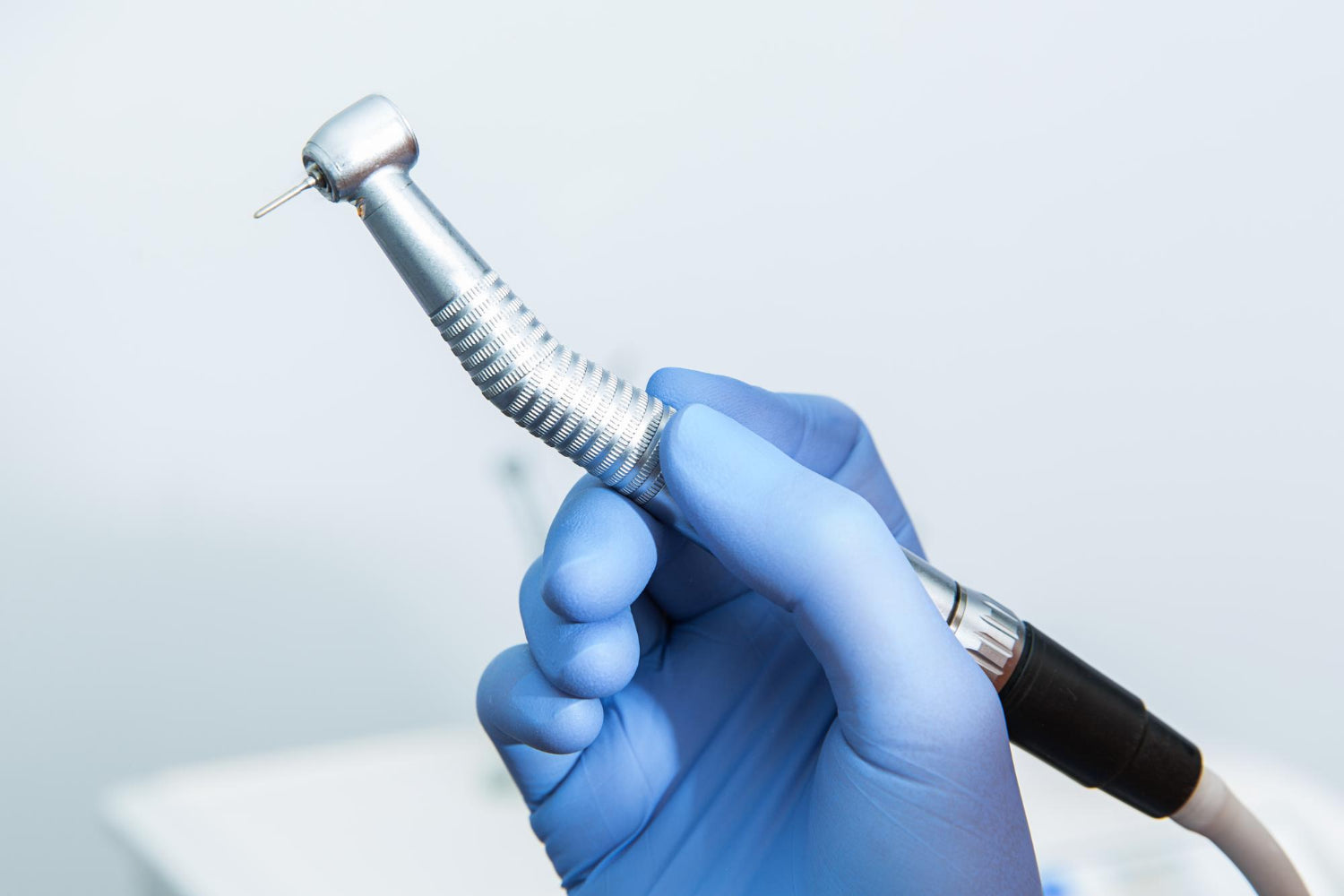
Choosing Dental Drills with New Canadian Clinics in Mind
A dental drill is one of the hardest working tools in any new clinic. When you are planning an opening or a renovation around June, it sits right at the centre of your daily schedule, from first patient to last. The right choice can support smoother appointments, happier patients, and a less tired team at the end of a long summer day.
Here, we will walk through how a dental drill fits into your larger vision for the practice, what to think about when comparing options, and how it connects with ergonomics and planning in a Canadian setting. Our goal is not to give clinical advice, but to help you think through the practical side so your equipment matches the way you want to work.
We are a Canada-based supplier, so we see firsthand how new and growing clinics across different provinces plan their rooms, layout, and tools. With an online model, we focus on practitioner-centred gear that supports everyday workflow for dentists, hygienists, and dental assistants.
Understanding How a Dental Drill Fits Your Practice Vision
A dental drill does not stand alone. It is part of a full operatory setup. It interacts with:
- Your delivery unit and chair
- Suction and lighting
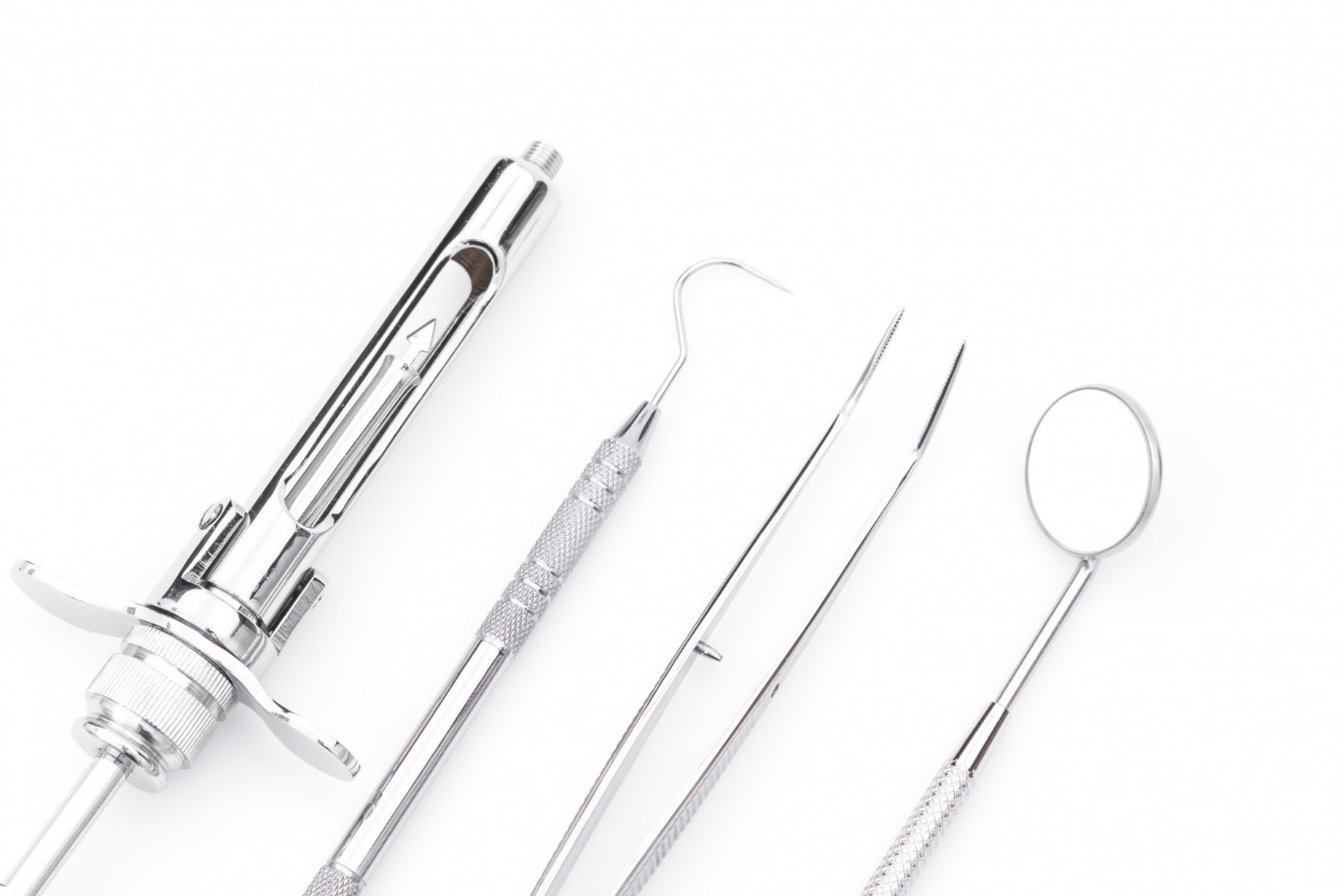
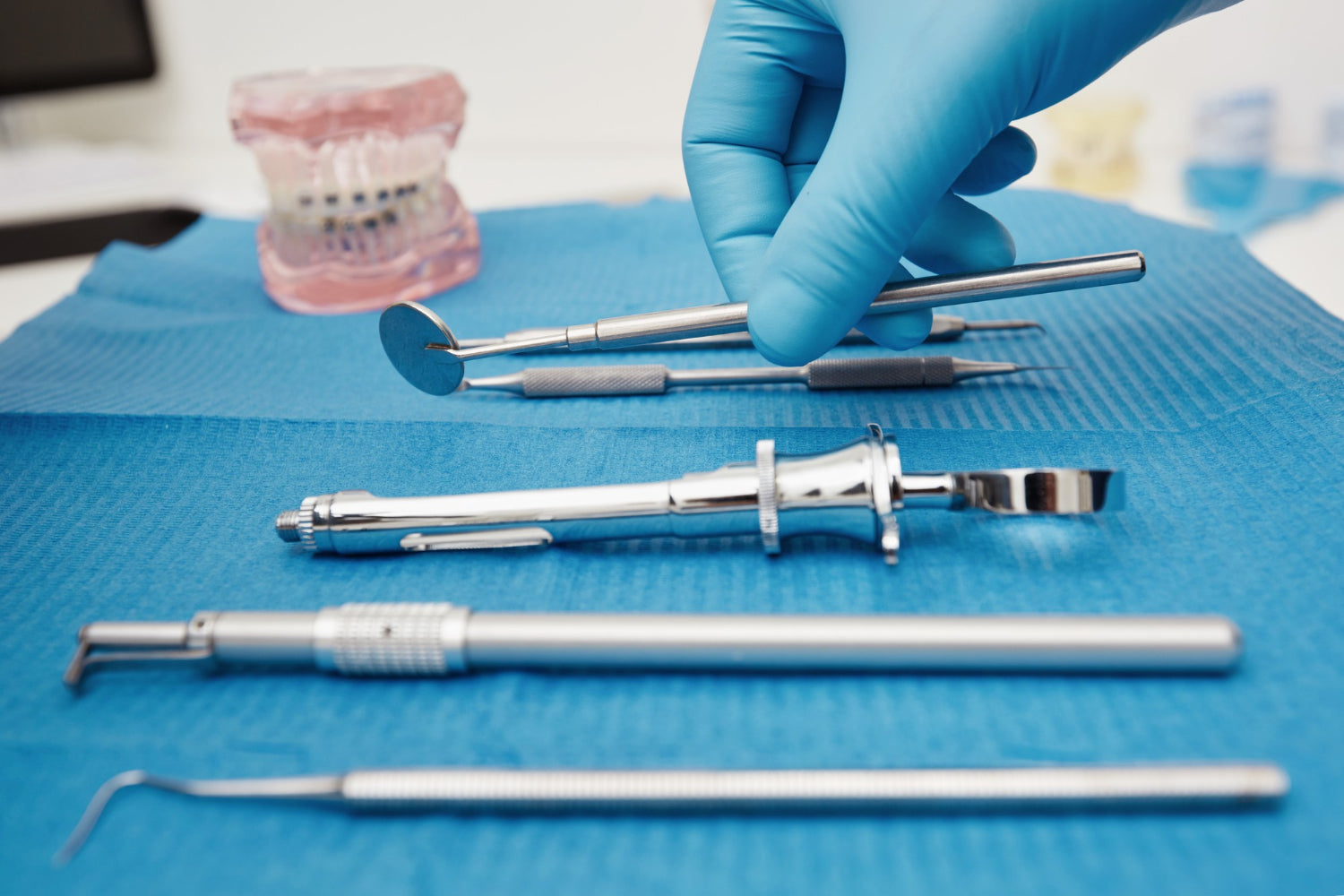
- Basic instruments and consumables like dental and medical sutures
- Hygiene support work happening in nearby rooms
For a family-focused practice, you might care a lot about comfort, noise level, and how fast rooms can turn over on busy summer days when kids are off school. For a cosmetic-focused clinic, fine control and a smooth feel in the hand may matter more during detailed appointments.
Different practice styles look for different things in a dental drill system:
- Multi-chair startup: reliability, easy training for a growing team, and simple maintenance
- Boutique clinic: feel, precision, and how the drill supports longer, focused visits
- Rural practice: durability, easy access to compatible parts, and less downtime if service is harder to arrange
Instead of chasing the high-end option, it often makes more sense to match drill features to your team and schedule. Think about:
- How many hours per day the drill will run
- Who will use which handpieces and for what type of work
- How your assistants prefer to set up, clean, and store tools
When the drill fits your vision, your room layout, and your staffing model, everything around it can work more smoothly.
Key Performance Factors When Comparing Dental Drills
You do not need an engineering degree to compare performance. A few simple ideas help a lot.
Torque is about how strong the drill feels when it works through hard material. Higher torque helps keep the drill from stalling or slowing under load, which can save time and keep appointments on track. Speed ranges describe how fast the drill can spin. A wider, well-controlled range gives the dentist more flexibility for different types of work.
Cooling systems, usually air or water spray, keep heat down at the working site. This can support patient comfort and help the dentist focus without worrying about overheating during longer tasks.
Comfort-related factors matter just as much as strength:
- Noise: A quieter handpiece can make the room less stressful for both team and patients
- Vibration: Less vibration means better control and less strain on hands and fingers
- Balance: A well-balanced drill feels lighter and easier to guide, even if the actual weight is similar
Compatibility is easy to overlook during the excitement of setting up a new clinic. Before you commit, double-check:
- Couplings and connections on your current or planned delivery units
- Whether any adaptors are needed
- Fit with other tools, such as staplers and related instruments that share your workflow
A bit of checking up front can help you avoid retrofit surprises, delays, or last-minute changes as opening day gets closer.
Ergonomics, Seating, and Daily Comfort for Your Team
How a dental drill feels in the hand connects directly to how your team sits, reaches, and works through the day. Weight, grip shape, and balance all affect posture, especially during back-to-back appointments in the summer when schedules can be packed.
A few practical points to think about:
- Slimmer grips can help smaller hands, but must still feel secure with gloves on
- Balanced weight can reduce wrist bend and awkward angles
- Smooth surfaces are easier to clean, but a bit of texture can help with control
Handpiece choice ties into operator seating and instrument layout. If your dentist or hygienist uses a saddle-style stool, like the ergonomic options in the saddle stool collection, the drill should work with a more upright, neutral posture. That means:
- Less reach forward and down
- Elbows closer to the body
- Less twisting at the low back
Canadian clinics, from city centres to smaller communities, often plan with long-term comfort in mind because repetitive strain can build up over years of practice. Choosing drills, stools, and instrument tables that support a neutral posture can help keep your team more comfortable and steady through long days.
Budget, Maintenance, and Supply Planning in Canada
A realistic plan for a dental drill looks beyond the initial unit. When you build your equipment budget, include:
- Multiple handpieces for each chair
- Couplings, hoses, and replaceable heads if needed
- Lubricants, cleaning supplies, and small accessories
- Extra parts that tend to wear over time
Maintenance and cleaning routines have a real impact on uptime. Look for systems that are straightforward to:
- Flush and clean between patients
- Lubricate according to the manufacturer’s guide
- Inspect for wear, loose parts, or performance changes
In a Canadian setting, ordering timelines and shipping across provinces and territories also matter. Weather, distance, and regional access can affect how quickly new parts or consumables reach your clinic. Working with an e-commerce supplier that serves clinics across the country can make it easier to keep compatible parts, instruments, and consumables flowing so your drill setup stays consistent.
Building Your Dental Drill Setup with ProNorth Medical
Before you make final choices, it helps to map out each operatory and think through a normal day. Ask your team:
- Which procedures will each room support most often?
- Who prefers what style of grip and seating?
- Where should handpieces and instruments sit for the easiest reach?
From there, you can plan a dental drill setup that grows with you, instead of holding you back. Some clinics choose a phased approach, starting with core handpieces, then adding seating and extra instruments as the schedule fills and the team settles into a routine.
As a Canadian-based online supplier of medical, dental, and veterinary equipment and consumables, we focus on practitioner-centred products that support daily workflow. By connecting your drill selection with ergonomic seating, instrument layout, maintenance planning, and realistic supply timelines, you can set up your new or expanding clinic for a smoother opening and a more comfortable summer season.
Upgrade Your Clinical Precision With Reliable Dental Equipment
When you are ready to enhance patient care and operator comfort, we are here to help you choose the right tools for your practice. Explore our selection to find a dental drill that delivers consistent performance, durability and control. At ProNorth Medical, we work closely with Canadian dental professionals to match equipment to real clinical needs. Let us support your next equipment upgrade so you can focus on delivering excellent patient outcomes.

Leave a comment
This site is protected by hCaptcha and the hCaptcha Privacy Policy and Terms of Service apply.