How Smarter Material Choices Support Busy Dental Teams
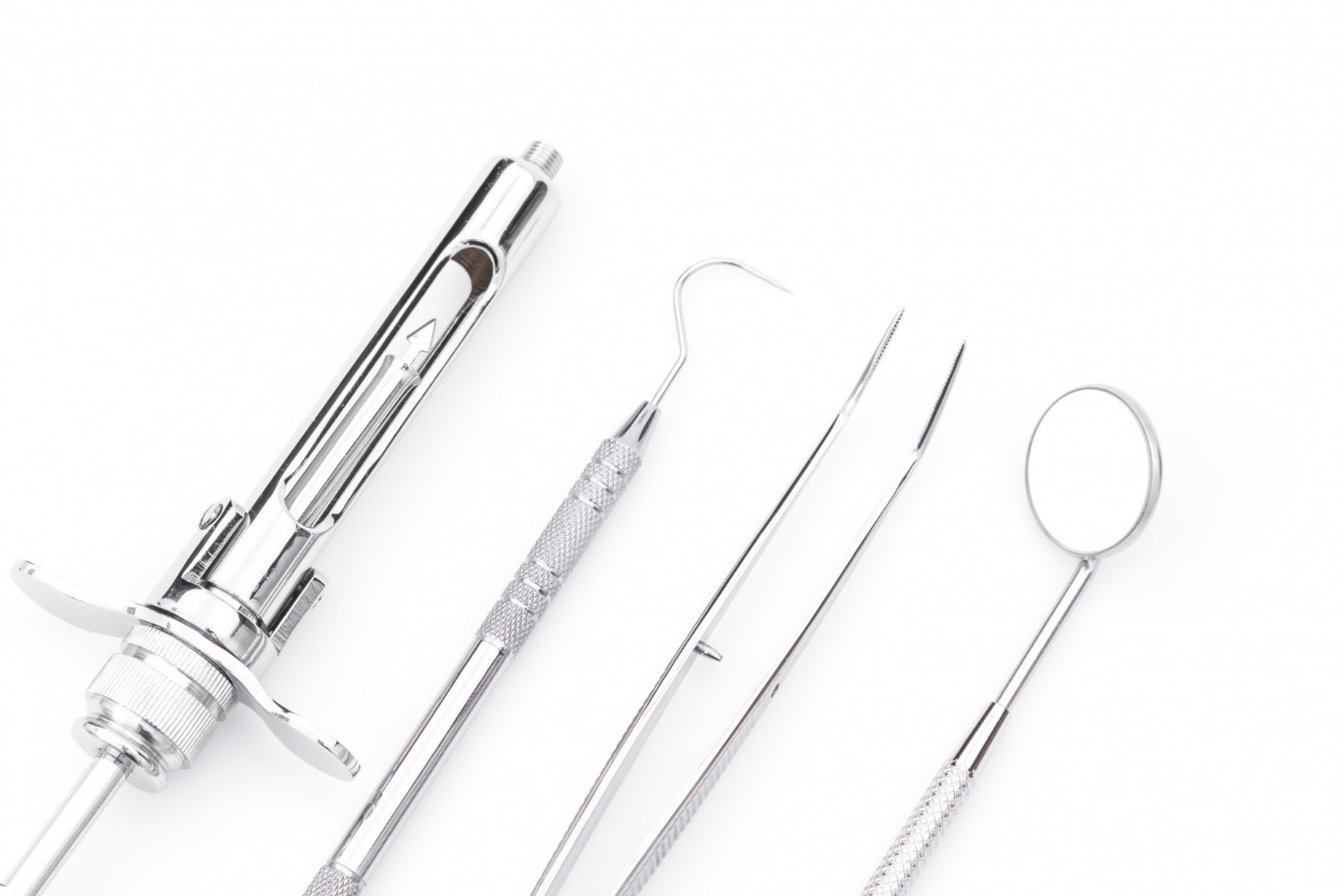
Good surgical steel instruments can make busy clinic days feel a lot more manageable. When your scaling block is full, the surgical schedule is packed, and sterilization is running non-stop, the last thing anyone wants is a tray of stained, dull, or warped tools.
In this article, we are talking directly to dental teams who are trying to balance clinical quality, infection control, and real-world budgets as summer gets busy and humidity creeps up. We will walk through what surgical steel actually is, why it matters in daily practice, how it compares with other materials, and how basic care and smarter buying can help your instruments keep up. This is general information about materials and performance, not medical or treatment advice, and every clinic should follow its own protocols, local regulations, and training.
What Surgical Steel Actually Is in Dental Instruments
When people say “surgical steel” for dental instruments, they usually mean stainless steel alloys that are made to resist rust, staining, and repeated sterilization. It is not a single magic metal; it is a family of steels with slightly different recipes that all aim to stay stable in a wet, high-temperature, high-disinfection world.
The base is iron, then alloying elements are added to tweak performance:
- Chromium helps form a passive layer on the surface that resists rust and staining
- Nickel can support corrosion resistance and toughness in many alloys
- Molybdenum helps the steel hold up in harsher, more chloride-rich environments
- Carbon affects hardness and edge retention for cutting and scraping surfaces
The balance between hardness and toughness is key. Higher carbon with the right heat treatment can give a sharper, longer-lasting edge, but if it is pushed too far it can get brittle. Softer steels can feel forgiving but may round off faster during scaling, elevation, or suturing.
Different manufacturers choose different grades and heat treatments, so “surgical steel” on a package is a broad label, not a single global standard. This is why instruments from two brands can feel quite different in your hand, even if both are clearly labeled as surgical steel.
Why Surgical Steel Matters in Daily Dental Practice
All those alloy choices show up in day-to-day tasks. Corrosion resistance is probably the first detail that matters. Instruments are going through:
- Autoclave cycles with heat and pressure
- Ultrasonic cleaning baths
- Chemical disinfection and contact with blood and saliva
Good surgical steel helps reduce pitting, rust spots, and staining through all of that. It supports reliable sterilization and keeps surfaces smoother so cleaning is more predictable.
Edge retention and toughness are just as important. For scaling instruments, elevators, luxating tools, and suturing needles, the steel affects:
- How cleanly a cutting edge engages tooth or tissue
- How much pressure you need to apply
- How consistent the instrument feels after many cycles
Instruments that hold their profile can support smoother workflow and may help reduce hand strain over time, especially through long hygiene blocks or surgical sessions.
Ergonomics ties into this as well. The density and strength of the steel interact with handle design and grips. Balanced instruments can reduce wrist fatigue when paired with ergonomic seating like a saddle stool, and some teams find that subtle differences in weight and tactile feedback change how their hands feel at the end of a busy day.
Comparing Surgical Steel to Other Common Instrument Materials
Surgical steel is common because it tries to hit a sweet spot, but it is not the only option you will see on a tray. Non-stainless carbon steel is sometimes used for very sharp cutting edges. It can feel incredibly crisp at first contact, which some clinicians like for scaling or certain surgical instruments.
The trade-offs are worth keeping in mind:
- Carbon steel can stain or corrode more quickly in humid, hot sterilization conditions
- It may need closer attention to drying and storage
- Mixed metal sets can show galvanic effects if left wet together for long periods
You might also see instruments with specialty tips or coatings. Some materials are chosen to be especially hard, others for friction control or a certain kind of tactile feel. While these can offer advantages, they also require careful matching with your sterilization workflow and cleaning chemistry.
For busy dental clinics, practical points include:
- Whether all metals in a kit tolerate the same sterilization cycle
- How mixed materials behave in ultrasonic baths
- How often instruments need inspection or sharpening to stay consistent
If you are using a mix of surgical steel hand instruments, coated tips, and specialized staplers and related tools in one setup, it can help to review manufacturer guidance and your own infection control policies together.
Caring for Surgical Steel Instruments Through Summer Peak
Summer often brings higher patient volumes, vacation coverage, and in many areas higher humidity. All of that can add stress to both teams and instruments. Small slips in process, like leaving trays wet a little longer, can add up.
General concepts that support surgical steel through the busy season include:
- Rinsing visible debris promptly instead of letting it dry on instruments
- Avoiding prolonged soaking in saline or harsh chemicals unless recommended
- Loading cassettes so water and steam can reach all surfaces
- Making sure instruments are fully dry before storage
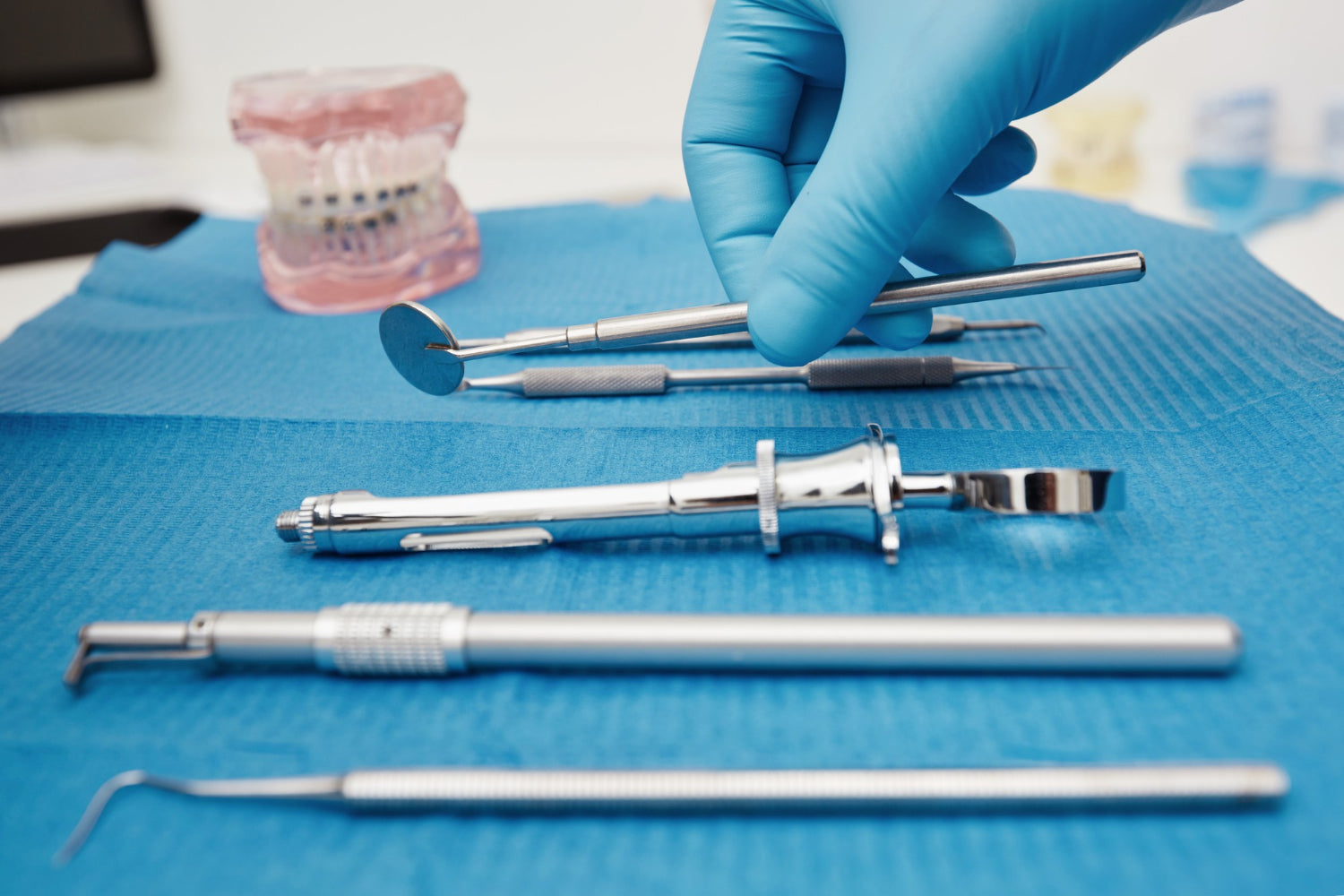
Regular inspection is just as important. Watching for fine rust spots, cracks, bending, or loss of edge helps prevent surprises mid-procedure. Many clinics set schedules for checking and sharpening cutting and scaling tools, along with replacing damaged suturing or surgical items before they cause frustration on the chair.
For suturing in particular, consistent needle performance matters. Pairing quality needles with reliable medical sutures can support smoother closures and more predictable handling for the whole team.
Choosing Surgical Steel Instruments That Fit Your Practice
Not every dental practice needs the exact same grade or style of surgical steel instrument. A busy oral surgery room with frequent extractions and grafting may lean toward highly durable elevators, luxating instruments, and suturing tools, while a hygiene-focused practice might prioritise scaling instruments that sharpen well and feel light in the hand.
When evaluating options, it can help to think about:
- Your most common procedures and where instruments show wear first
- Your sterilization workflow and cycle settings
- The experience level of the team handling and processing instruments
- Ergonomic needs, including grip style and preferred instrument weight
Suppliers such as ProNorth Medical, based in Canada and serving dental teams across North America, offer a range of dependable, ergonomic instrument options. By matching the grade of surgical steel, handle design, and instrument construction to your actual procedure mix and sterilization process, your clinic can support consistent performance and help staff work more comfortably through the summer rush and beyond.
Choose Surgical Steel Precision That Protects Your Patients
At ProNorth Medical, we know your surgical outcomes depend on instruments you can trust every time. That is why we offer carefully selected blades crafted from high-quality surgical steel to support consistent, reliable performance in your operating room. Explore our range today so you can equip your team with tools that match your standards for safety and precision. We are here to help you choose the right options for your practice.

Leave a comment
This site is protected by hCaptcha and the hCaptcha Privacy Policy and Terms of Service apply.