
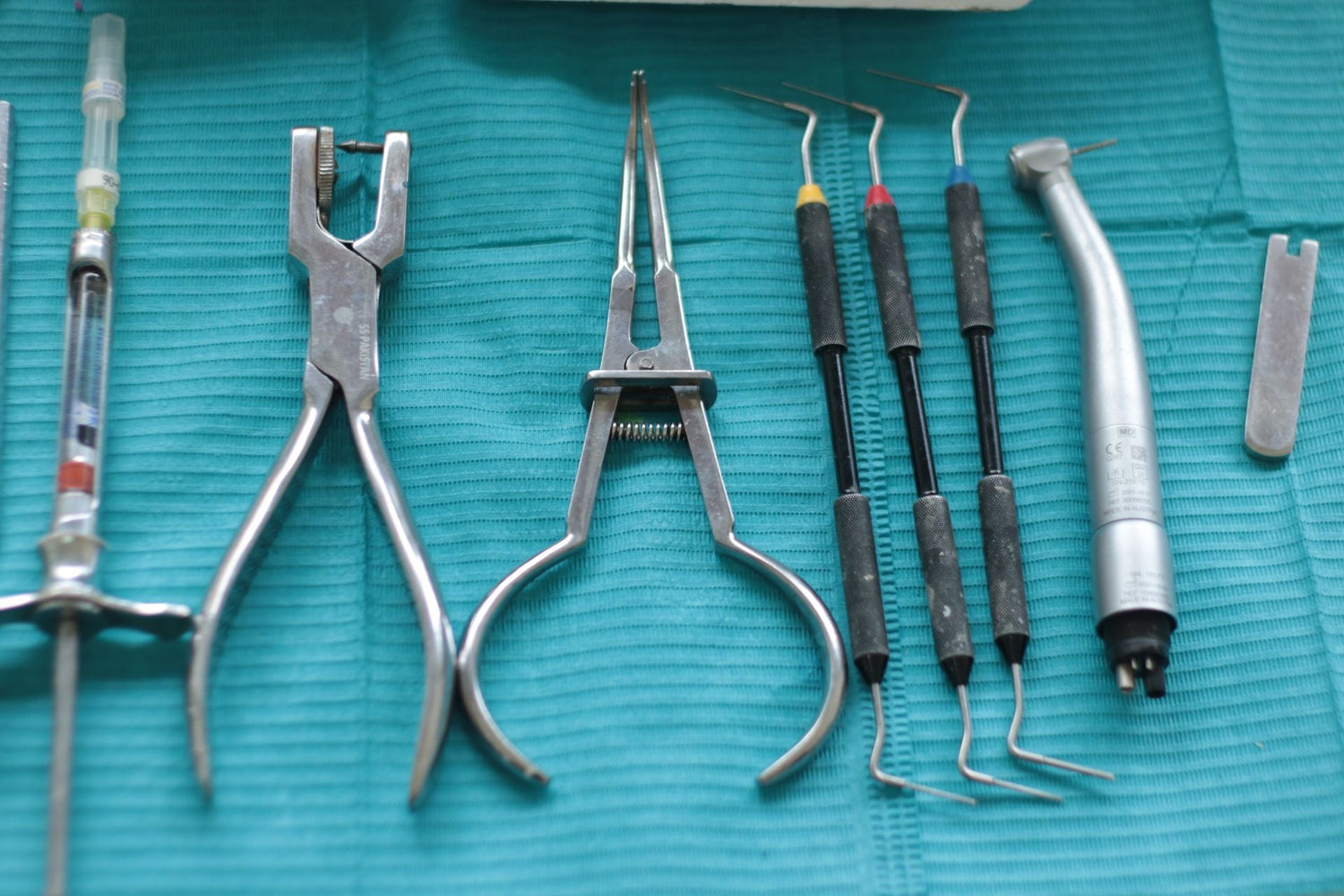
Spotting Quality Dental Hand Instruments at a Glance
Quality dental hand instruments shape how your day feels. They can make procedures smoother, help your team stay on schedule, and reduce how often you need to replace worn tools. For Canadian general dentists and hygienists, this is really about comfort, workflow, and long-term control of your supply budget, not about promising any specific clinical results.
What many teams miss is how much you can learn from a simple catalog listing. Photos, short specs, and even small design notes often tell a story about build quality. When you start to read those details with a more careful eye, you can feel more confident when you refresh instruments mid-year or plan bigger fall orders.
Reading Material Specs That Actually Matter
When you scan dental hand instruments in a catalog, the material description is a great starting point.
Look for clear stainless steel notes, such as:
- Surgical-grade stainless
- German stainless
- Named or proprietary alloys
These terms often point to how well an instrument may resist staining or pitting over time. The key is consistency. What you see in the catalog should match what is on the product label or in the IFU. If the wording seems different, that is a good reason to ask questions.
Surface finish also matters. Catalogs may mention:
- Mirror finish, which can look nice but may reflect overhead lights
- Satin or matte finish, which can help reduce glare
- Matte or silicone-coated handles for a softer, more controlled feel
Some listings include notes on corrosion resistance testing or passivation steps in manufacturing. When that information is available, it can hint that the maker pays attention to long-term wear, especially with repeated sterilisation cycles.
For cutting instruments, any mention of heat treatment or tempering is worth noting. References to Rockwell hardness values can give you clues about:
- How long an edge may stay sharp
- How well a shank may resist bending under normal use
Instead of going straight to price, try comparing hardness or heat treatment notes across different tiers in the same catalog. This can help you spot when a “premium” line is actually built differently, not just priced higher.
Evaluating Design, Ergonomics, and User Comfort
Good design shows up in the small details. Handle diameter, weight, and balance all affect how your hands and wrists feel by late afternoon.
Many catalogs now highlight:
- Lightweight or hollow handle designs
- Specific handle diameters in millimetres
- “Balanced” construction for better control
When you see the same ergonomic language across a full line of dental hand instruments, it often means there is a clear design approach behind the range, not just one or two random options.
Grip texture is another simple but important cue. Descriptions like knurled, ribbed, or silicone grip usually aim to support a secure hold, especially during repetitive scaling or long restorative sessions. During late summer and fall, when patient schedules can feel tight, those small ergonomic details may be the difference between steady hands and early hand fatigue.
Clear identification is also worth watching for. Catalogs that show:
- Colour-coded rings or bands
- Laser-etched markings
- Obvious numbering or tip designations
make it easier for teams to grab the right instrument quickly and keep sterilisation trays organised. Close-up photos of markings can hint at careful manufacturing, since sharp, readable etching tends to reflect cleaner overall finishing.
If ergonomics interest you, it can also be helpful to think about seating. Many practices pair ergonomic instruments with a supportive saddle stool, such as the options in our saddle seating collection, to support posture during long days.
Assessing Craftsmanship From Photos and Descriptions
You can learn a lot from zooming in on working ends. For explorers, scalers, and restorative tools, look for:
- Symmetry between tips
- Smooth transitions from shank to tip
- Clean, well-defined edges
If a catalog avoids close-ups for certain products, that does not mean the instrument is poor quality, but it may be a sign to ask for more images or details before ordering.
For forceps and other hinged tools, high-resolution photos can help you check:
- Alignment of shanks
- Smoothness of joints and welds
- How cleanly surfaces blend at connection points
Phrases like “hand-finished”, “precision-milled”, or “laser-welded” can suggest a higher level of attention during production, though they are not promises on their own. Compare these notes across a product family. When finish, branding, and design details look consistent line to line, it often points to better traceability and quality control.
It is also helpful to think about how instruments fit with other parts of your clinical setup, such as over-the-patient tables or sterilisation systems. For example, if your practice also uses items like surgical staplers or other surgical tools, you may want similar finish and marking styles across products for easier training and organisation.
Comparing Suppliers Without Leaving Your Browser
Quality is not only about the instrument, it is also about the information that comes with it. Good supplier catalogs tend to include:
- Clear material specs
- Country or region of origin
- Compatible sterilisation parameters
- Simple maintenance notes
Downloadable product sheets and FAQs show that the supplier expects you to ask detailed questions and wants your team to use instruments correctly.
Service support also matters for long-term planning. When a catalog explains warranty coverage or repair options, it can help you think beyond the first order and focus on how instruments will fit into your overall equipment plan, from dental carts to other clinical tools.
Reviews and peer feedback are useful, as long as they sit beside, not above, the technical information. Many dentists will:
- Flag a few promising instrument lines in the catalog
- Check peer comments or association buying group notes
- Then return to specs to confirm the choice
This mix of real-world feedback and careful reading can be more helpful than either one by itself.
Planning Your Next Instrument Refresh with Confidence
One simple way to stay organised is to build a quick checklist you can reuse each time you review dental hand instruments. Include points like:
- Material and finish
- Heat treatment or hardness notes
- Handle size, weight, and grip texture
- Markings and identification features
- Supplier support and clarity of information
Keep this checklist handy for mid-year and fall ordering cycles so everyone on the team works from the same quality standards and budget priorities.
It also helps to include associates, hygienists, and assistants in short catalog review sessions. The people who spend hours each day scaling, probing, or placing restorations often notice details that others miss, such as favourite handle shapes, grip textures, and clear colour-coding. When those day-to-day insights guide your choices, your next set of instruments is more likely to fit the way your practice actually works, whether you are focusing on hand instruments, sutures like the options in our sutures collection, or other clinical tools.
Upgrade Your Clinical Precision With Trusted Dental Instruments
Equip your practice with reliable tools that support accurate, efficient patient care using our curated range of dental hand instruments. At ProNorth Medical, we select products that balance comfort, control, and long-term durability for everyday use. Whether you are updating a single operatory or standardizing across multiple locations, we can help you choose the right configurations for your team. Explore our solutions today to streamline procedures and support consistently high clinical outcomes.


Leave a comment
This site is protected by hCaptcha and the hCaptcha Privacy Policy and Terms of Service apply.