
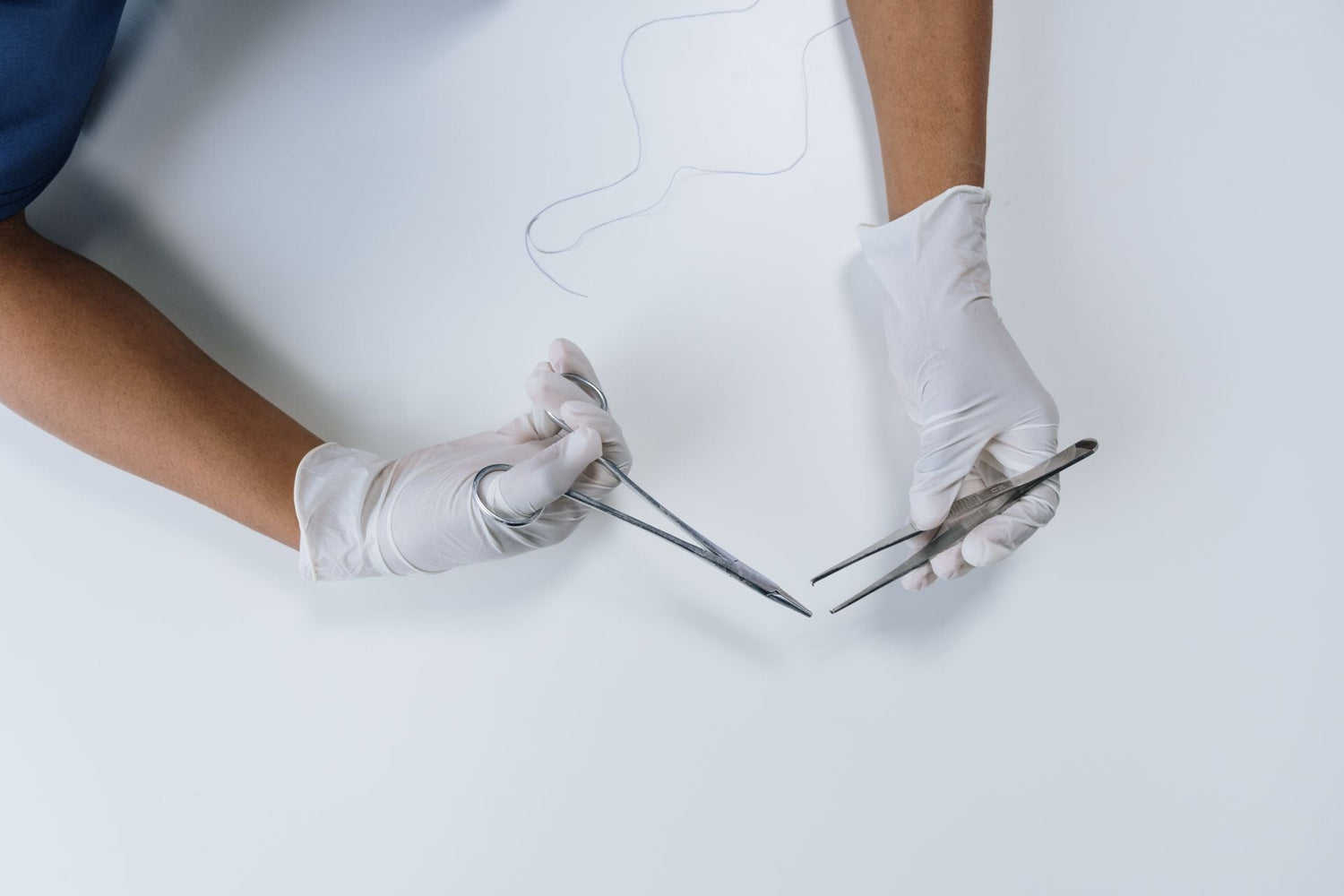
Soft tissue closure sits at the heart of small animal practice. Spays and neuters, lump removals, laceration repairs, all rely on skin and fascia coming together and staying there through the busy, high-energy lives of our patients. That is where choices like a vertical mattress suture pattern start to matter in a very real, everyday way.
In this article, we are talking through how vertical mattress sutures fit into common veterinary soft tissue work, what they are trying to do for the tissue, and how material choice and workflow support your decisions. Our goal is not to give technique advice, but to help veterinary teams think through when this pattern might be considered and which products can support consistent, confident closures.
Strengthening Soft Tissue Closures in Everyday Practice
Soft tissue surgery is the daily rhythm of most small animal clinics. From routine ovariohysterectomies to quick lump removals, those wound edges need steady support while the patient walks, jumps, scratches, and, of course, ignores activity restrictions.
A vertical mattress suture is an interrupted pattern that typically takes a deeper and then more superficial bite of tissue in the same line. In simple terms, it is often chosen when we want extra support for the wound edges and some help moving tension away from the actual incision line. We are not walking through how to place it, only what it is trying to achieve.
When veterinarians pick a closure pattern, they are usually trying to balance a few practical goals:
- Reliable edge apposition
- Extra support in mild to moderate tension areas
- Efficient use of time, suture, and instrument handling
Here in Canada, as summer approaches and outdoor activity ramps up, there can be more trauma cases, more lacerations, and often a busier surgical schedule. A Canadian-based supplier like us is focused on making sure practices have the veterinary sutures, ergonomic seating and instruments they need to keep up with that demand.
When Vertical Mattress Sutures Enter the Conversation
Vertical mattress sutures often come to mind in specific soft tissue scenarios, especially when straight simple interrupted closure might feel like it needs more help. Clinicians may consider them in:
- Areas with mild to moderate tension
- Thicker or less mobile skin, such as distal limbs
- Regions near joints in active dogs and cats
Conceptually, a vertical mattress pattern is trying to spread tension deeper and a bit farther from the incision line, while still keeping skin or fascia edges aligned. The deeper bites can help share the load as the patient moves, while the more superficial bites aim to keep the surface neat and supported.
In the summer, when patients are hiking, swimming, and generally finding new ways to test their sutures, this extra support can be appealing. The decision to use a tension-relieving pattern will also depend on:
- Incision location and expected motion
- Species and skin quality
- Owner compliance with post-op instructions
Every closure choice remains up to the veterinarian, guided by their experience, the wound in front of them, and their judgment for that individual patient.
Balancing Tissue Support and Blood Supply
Any tension-relieving pattern, including a vertical mattress suture, has to work with the local blood supply, not against it. Veterinarians watch closely for signs that tension might be too high or that the pattern is flattening or strangling the tissue near the wound edge.
Key ideas that many clinicians keep in mind include:
- Gentle handling of skin and subcutaneous tissue
- Taking bites far enough from the edge to share tension
- Avoiding knots that are pulled so tight that blanching occurs
This balance can be trickier in fragile skin, older patients, or those with health issues that may affect healing. In those cases, teams might combine patterns, adjust spacing, or use additional buried sutures to offload the skin. Protective bandaging, post-op garments, and stricter activity restriction often become part of the plan too.
Patterns like the vertical mattress sit inside a bigger strategy: get the wound closed, keep perfusion comfortable, and support the incision through the early healing days without overloading any one layer.
Matching Suture Materials to Soft Tissue Objectives
The suture you put into a vertical mattress pattern affects how that pattern behaves in the tissue. Memory, flexibility, diameter, and surface texture all show up in how easy it is to place, how the knots sit, and how the tissue feels around the bites.
Common choices for veterinary soft tissue closures often include:
- Monofilament sutures, which tend to have less tissue drag
- Braided sutures, which may feel softer but can hold more fluid
- Absorbable materials for deeper layers that do not need removal
- Non-absorbable options for skin where planned removal is expected
Healing time, cosmetic goals, patient lifestyle and the clinic’s follow-up routine all play into which material feels right. Indoor cats groom differently than farm dogs. Long-haired breeds may hide skin staples more, while some owners prefer knots they can see and monitor.
For teams reviewing options, exploring a broad range of veterinary sutures can help match material behaviour to common case types, including patterns that sometimes need more tension control like the vertical mattress.
Practical Considerations for Busy Veterinary Teams
In a busy clinic, closure choices do not stand alone. They connect to staff training, pack setup, and the way clinicians talk with clients about incision care. When everyone understands when a tension-relieving pattern might be used and how it changes the look of the incision, communication gets smoother.
Many practices find it helpful to:
- Standardize a few main closure approaches for common surgeries
- Agree on go-to suture sizes and needle types for small, medium and large patients
- Keep consistent instrument sets ready for soft tissue days
High surgical volume can be physically demanding. Ergonomic seating, such as a well-designed saddle stool, can help support surgeon posture during long procedures. Options like the saddle stool are designed with this kind of sustained, focused work in mind.
Standardizing workflows and ergonomics frees up more mental space for what matters most: assessing the wound, choosing an appropriate closure pattern, and adapting as needed during surgery.
Equipping Your Clinic for Confident Closures
Soft tissue work evolves as your caseload changes. It can be helpful for practice owners and medical leads to periodically review closure protocols, from how often tension-relieving patterns like vertical mattress sutures are used to which sizes and types of suture are most commonly opened. A quick internal audit can highlight gaps before the schedule fills with back-to-back surgeries.
Taking time for in-clinic discussions or training sessions allows clinicians to compare preferences. Some may lean on vertical mattress sutures more often for distal limb closures, while others may prefer a different tension-relieving approach combined with specific buried patterns. Sharing those experiences can lead to more consistent patient care across the team.
Having reliable access to instruments, staplers, and ergonomic seating that support these decisions keeps the whole system running smoothly. Clinics that regularly refresh their tools and suture stock, including options like skin staplers where appropriate, are better positioned to choose what fits each individual case. With thoughtful planning, clear communication, and materials that match your caseload, soft tissue closures can feel more predictable, even when patients are doing their best to test your work the moment they leave the clinic.
Upgrade Your Suturing Technique With Reliable Supplies
Ensure your next closure is precise and secure by choosing sutures designed for consistent performance. Explore our carefully selected vertical mattress suture options to support optimal wound eversion and strength in a variety of clinical scenarios. At ProNorth Medical, we source quality products that help you work efficiently while prioritizing patient outcomes. If you have specific procedural needs or questions about product selection, contact us so we can help you choose confidently.

Leave a comment
This site is protected by hCaptcha and the hCaptcha Privacy Policy and Terms of Service apply.